
The CARE Platform is not a companion app. It is the clinical intelligence layer that connects every device, every patient and every clinician across the continuum of care.
Book demo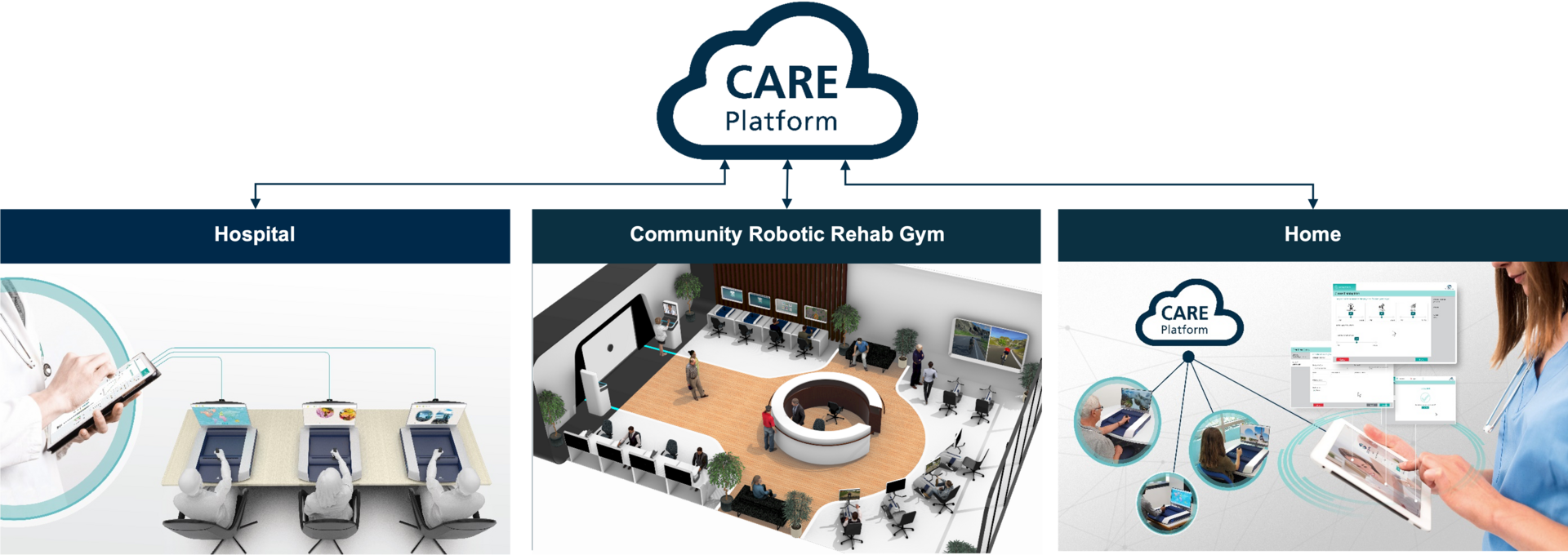
The CARE Platform is not a static software purchase. It is a continuously evolving clinical intelligence system that grows in capability with every release. New assessment tools, new therapy content, new reporting parameters and deeper analytical insights are added on an ongoing basis. Institutions that invest in ARTICARES are not buying a device that depreciates over time. They are investing in a platform that increases in clinical value the longer it is used. ARTICARES is on track to hold one of the largest collections of reliable, structured rehabilitation data in the world. That growing body of data feeds back into smarter adaptive algorithms, more precise clinical recommendations and better patient outcomes with each iteration. The platform an institution uses today will be more capable tomorrow, next quarter, and next year, without requiring new hardware.
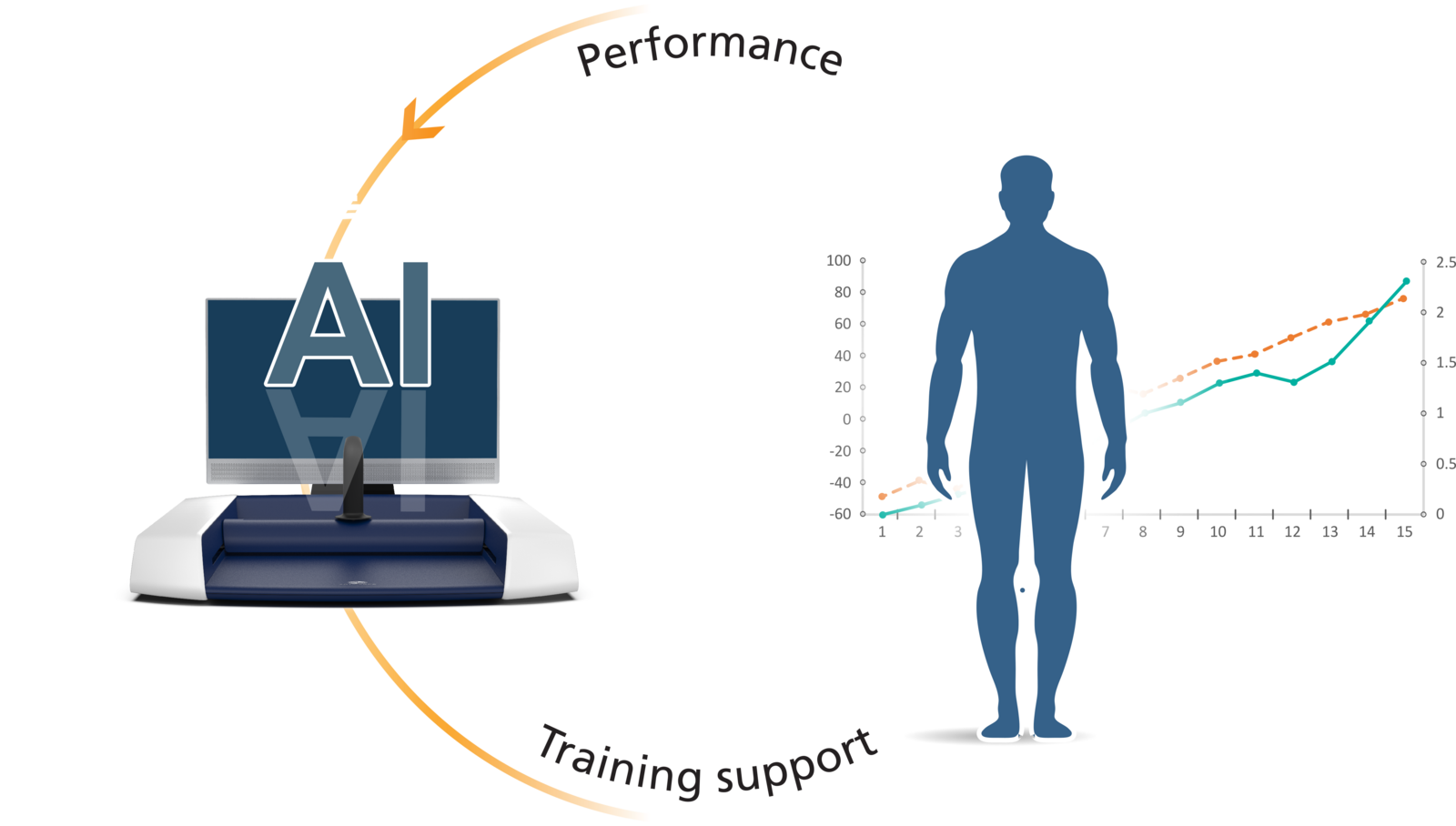
Rehabilitation generates enormous amounts of data. The challenge is not capturing it. The challenge is turning it into decisions. The CARE Platform is built around this principle. It transforms raw session data into structured clinical insight: identifying which areas the patient has trained most and least, tracking performance trends across sessions, detecting when a patient has plateaued, and surfacing clear recommendations for therapy adjustments. Adaptive training algorithms personalise every session automatically, adjusting task complexity, assistance and resistance based on continuous performance assessment. Structured feedback reports replace manual documentation, giving clinicians an objective, detailed picture of recovery after every session without writing a single note. The platform does not ask clinicians to interpret dashboards. It delivers the clinical conclusion and the recommended action.
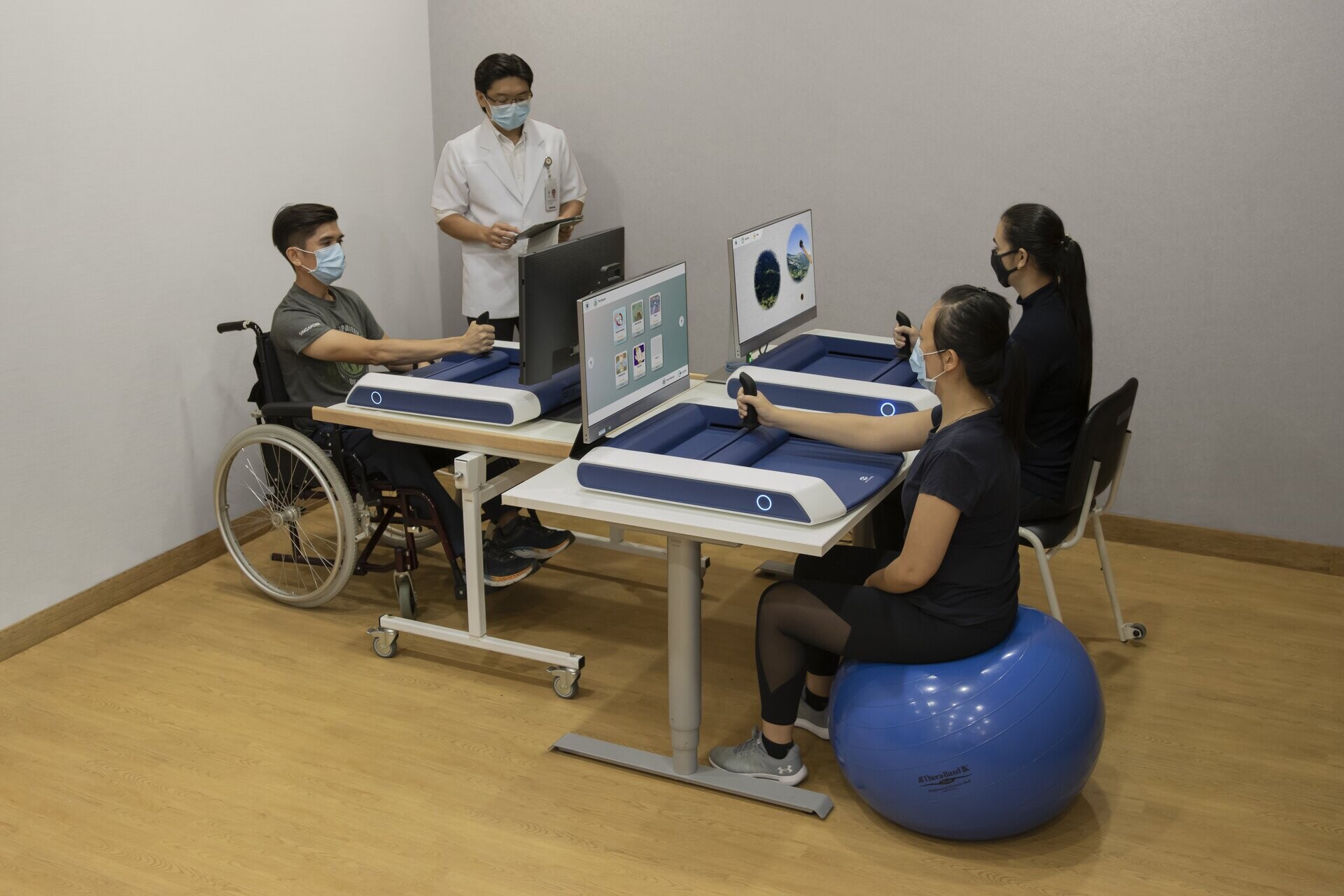
Every feature in the CARE Platform exists for a single purpose: to free the clinician from tasks the technology can handle, so they can focus on what only a human can do. Automated assessment removes the need for manual measurement and scoring. Adaptive training removes the need to manually configure and adjust every exercise for every patient. Automated reporting removes the need for post-session documentation. Remote monitoring removes the need to be physically present for every training session. Therapy planning tools remove the need to build and track individualised programmes manually. The cumulative effect is substantial. Clinicians spend less time on setup, configuration, documentation and routine monitoring, and more time on clinical judgement, patient relationships and complex decision-making. The CARE Platform does not replace the clinician's role. It elevates it, ensuring they have all the information they need to understand each patient's progress and take informed, timely decisions about the care pathway ahead.